A place to come together and discuss the tits and tats of education. The blog aims at making teaching and learning easy for both students and teachers, and especially for teacher trainees. Rejoice, stay calm, and PRETEND EVERYTHING IS AS PER THE LESSON PLAN !
The Coriolis Effect is a crucial concept in geography that explains how Earth's rotation influences the movement of air and water across the planet. Due to the rotation, moving objects like wind and ocean currents are deflected to the right in the Northern Hemisphere and to the left in the Southern Hemisphere. This effect is responsible for the formation of trade winds, cyclones, and oceanic currents. The Coriolis Effect increases with the speed of the moving object and is strongest near the poles, diminishing toward the equator. Understanding this phenomenon helps explain global weather patterns and climate variations in geographical studies. Here is a video class I took on the topic, as part of BEd curriculum works.
INTERACTIVE WHITE BOARDS The first revolutionary teaching tool- the humble blackboard- found its way into classrooms back in 1801, and had a profound impact on the nature of teaching oer the next 200 years. The blackboard became synonymous with the traditional classroom and, along with shiny red apples, is still seen as a stereotypical symbol of education. The interactive white board- or IWB- has the potential to be the second revolutionary teaching tool. Just as the black board was seen as a key part of 19 th and 20 th century classrooms, the IWB has the capacity to become synonymous with the new digital classrooms of the 21 st century. Despite its relative newness, the IWB exhibits the same capacity to fundamentally change- and indeed revolutionise – the nature of teaching. IWBs can let educators do more than just continue with the old ways. As interactive technologies become an accepted part of today’s digital classro...
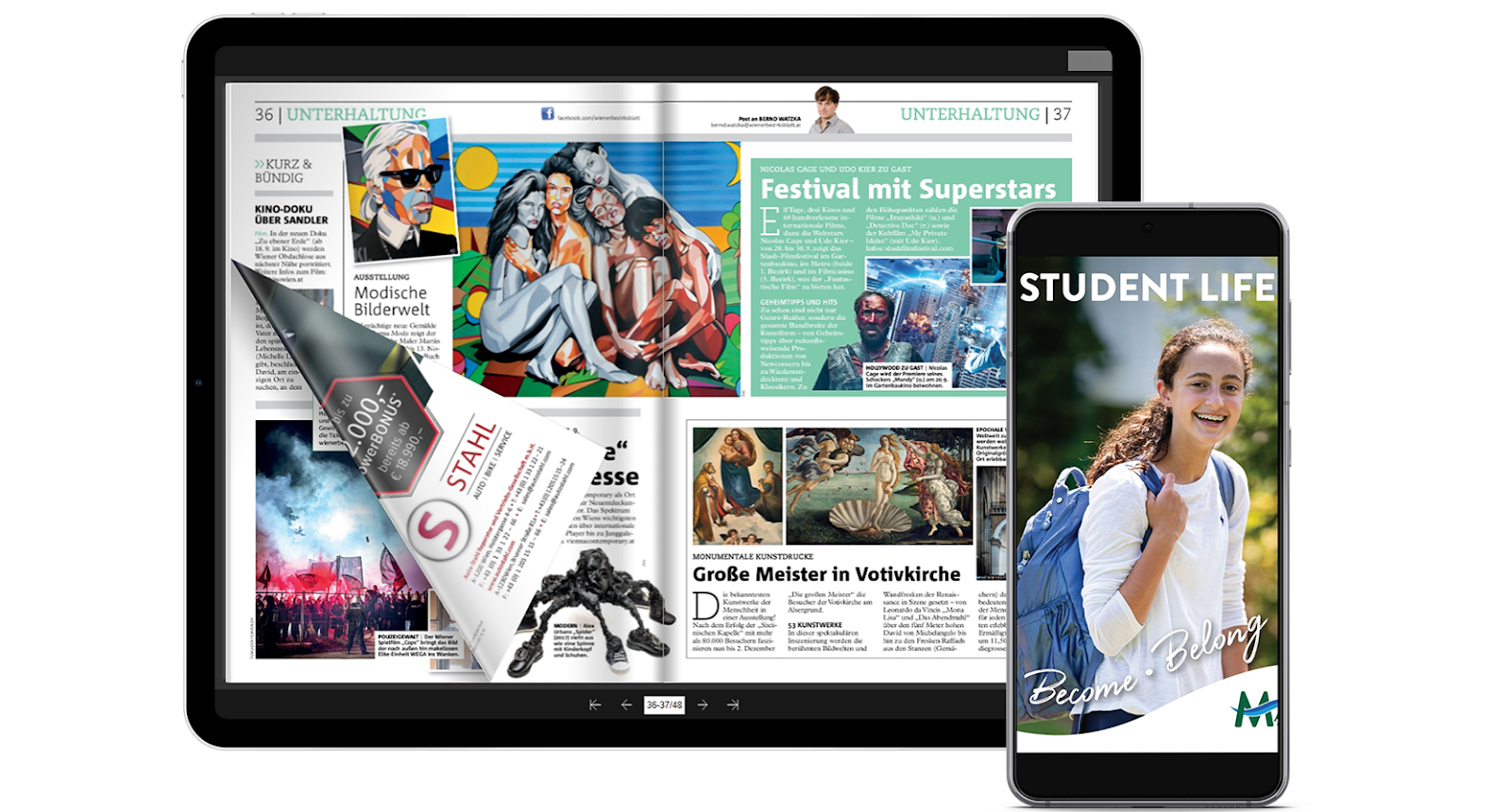
As part of the third semester school based works of B.Ed curriculum prescribed by the University of Kerala, the teacher trainings are expected to create a digital textbook based on any of the chapter from class 8th to 10th. A digital textbook is an electronic version of a printed textbook, accessible on devices like computers and tablets. It often includes interactive features, search capabilities, and portability benefits. Digital textbooks can be updated easily, offer cost savings, and have environmental advantages over printed versions. Steps in creating a digital textbook Creating a digital textbook involves: 1. Content Development 2. Platform Selection 3. Design and Layout 4. Formatting and Testing 5. Publishing 6. Updates and Maintenance As part of my practical works it digital textbook based on the chapter 'For A Safer Tomorrow' was created which can be viewed below: Sabira _digital_textbook_disasterManagement (click on the above hyperlink)